

In the 1800s London, people would feel snacky, just like everyone does today.
When you think of a snack you may think of potato chips, chocolate bars, candy, a piece of fruit etc.
The options today for a snack are vast. In the 1800s this was not the case.
Snacks were few and far in between and even fruit was difficult to get.
Snacks!
So what did they snack on ?
Let’s explore the options.
Jelly Eels : yes that’s a snack. A classic among the working class , Eel was one of the very few fish that could survive in the river Thames., Boiled and cooled, the eel’s meat contained a natural gelatine.
Cheap, filling and didn’t need a fork.
Pickled Whelks & Periwinkles : what on earth is that???!!
Snails…. Pickled conch snails, and beach snails.
sold out of small shop stands they were eating these with a tooth pick or something similar.
like people would grab a bag of peanuts today.
Oysters: These are considered a luxury food today, which is an article all on its own.
quite interesting how that turned around. But back in the day oysters were common
“poor man” food. These were sold in massive amounts along the river, and it wasn’t until the pollution and overfishing that prices started to rise drastically.
Roasted Chestnuts : These were fabulous in the winter, sold warm in paperbag They were both tasty and could warm the fingers in cold London.
Hot Ginger Beer : Sold on the street from big containers. More often than not the taste was very strong and spice fragrant to cover the taste of the poor quality water that was used to brew it.
And last but not least, we have the snack of the day,
Watercress.
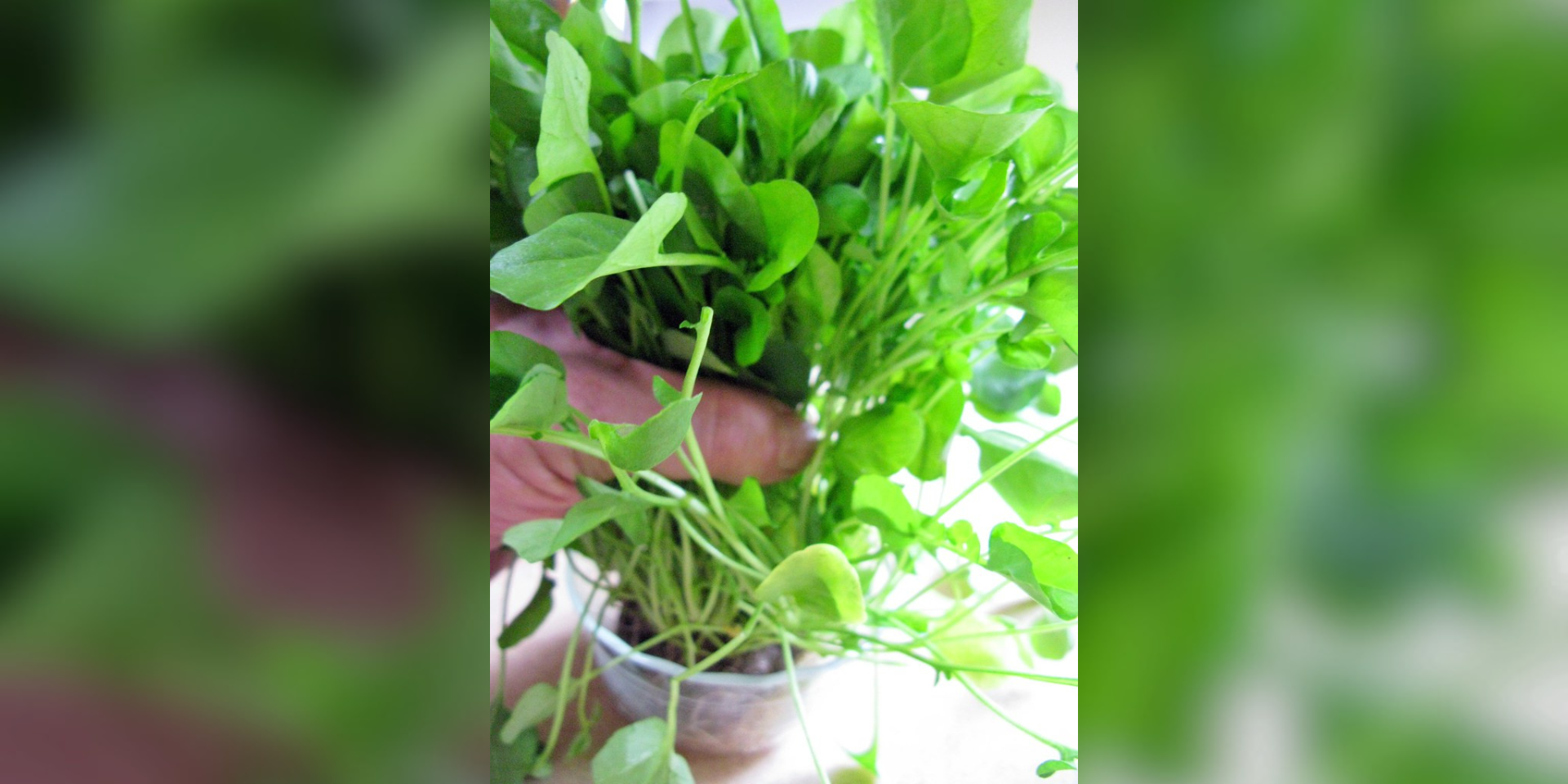
The illusion of health
Watercress was different because this wasn’t considered poor man’s food .
It was marketed in the street stalls as the ultimate health food for the elite.
And it worked, the wealthy paid high ticket to eat vitamin rich food that would allegedly
“cleanse the blood”, that was one of the sales pitches.
But , the journey from the river, into the stalls was anything but healthy.
The 4 AM shift.
Now when i said it was sold at the stalls, you probably picture a grown person there, but in fact it was sold by little girls as young as 7-8 years old.
They would show up at the market at 4 AM in the morning. Barefoot even on snowy days, cleaning icy watercress stems with blue freezing fingers.
These girls should be playing with dolls… but the reality back in the 1800s was very different.
“I ain’t a child… I never had any toys.” – quote from a famous interview in 1851.
little scammers
Obtaining the Watercress was not an easy or fun task!
The vegetable was farmed in dedicated farms in other cities in England.
THey would come in with the train and now then girls would have to compete with adult costermongers to obtain the most fresh batches. This was a rough life.
These girls were incredible though, they were hardcore mini-business women.
You see when your survival is dependent upon selling enough of this vegetable in a competitive market.
You tend to learn the tricks of the trade very quickly.
Putting the old semi rotten stems in the middle, lining it on the outside with fresh stems, to make the bundle look bigger. A scam? Absolutely!
but every penny counted!
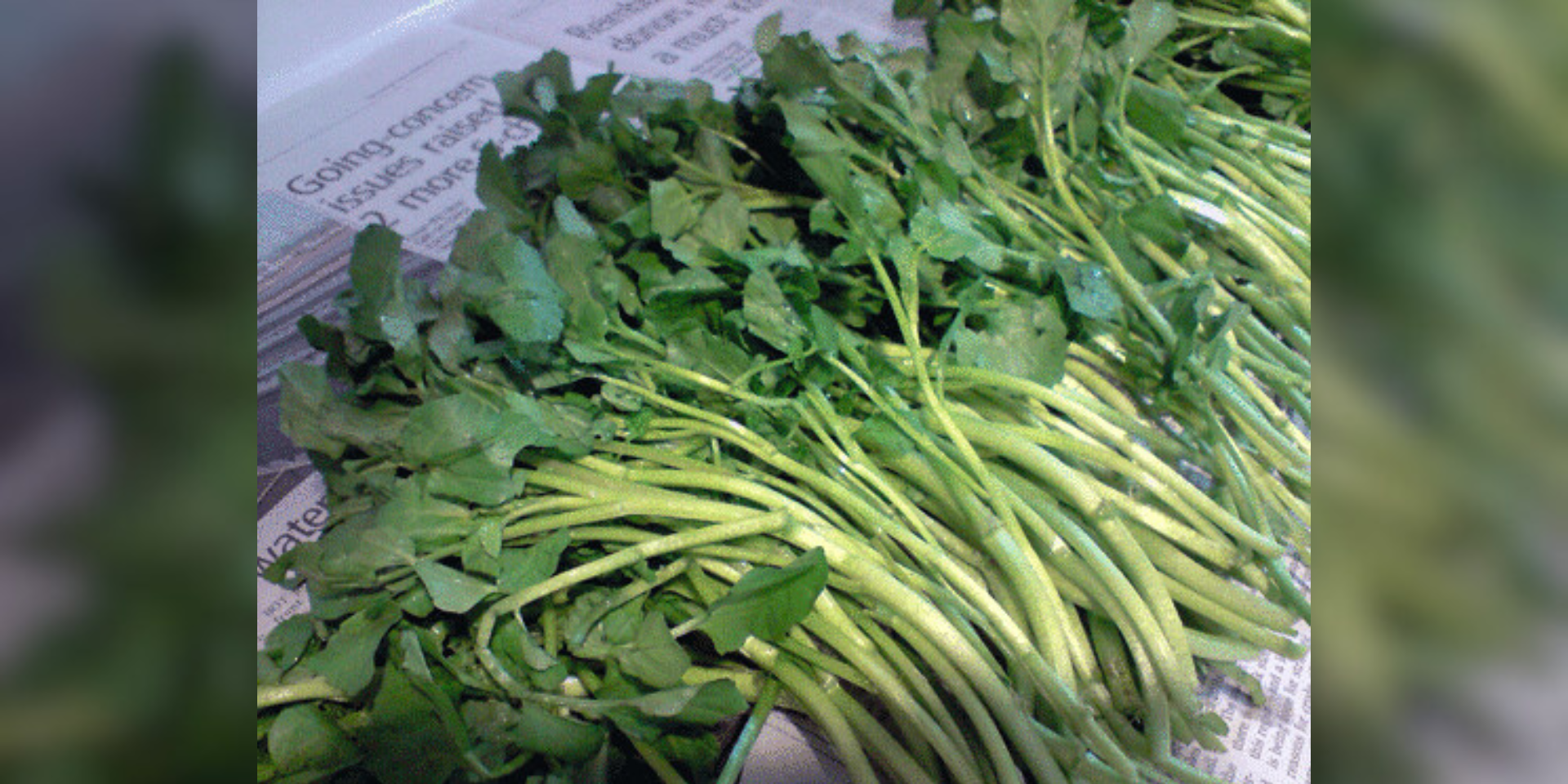
The deadly dip
In order to keep these fresh, this is a water plant afterall , they needed to keep them wet.
And the stalls weren’t within reach of the river so what they did was dip them in the wells.
Slight little problem with this though, you see the wells were often infected by sewage water.
THis means human waste, Typhoid bacteria , Cholera etc. Yum.
So the wealthy customer paid a high ticket for the luxury of health.
But really they were handed a ticking time bomb.
These bundles were anything but healthy.
